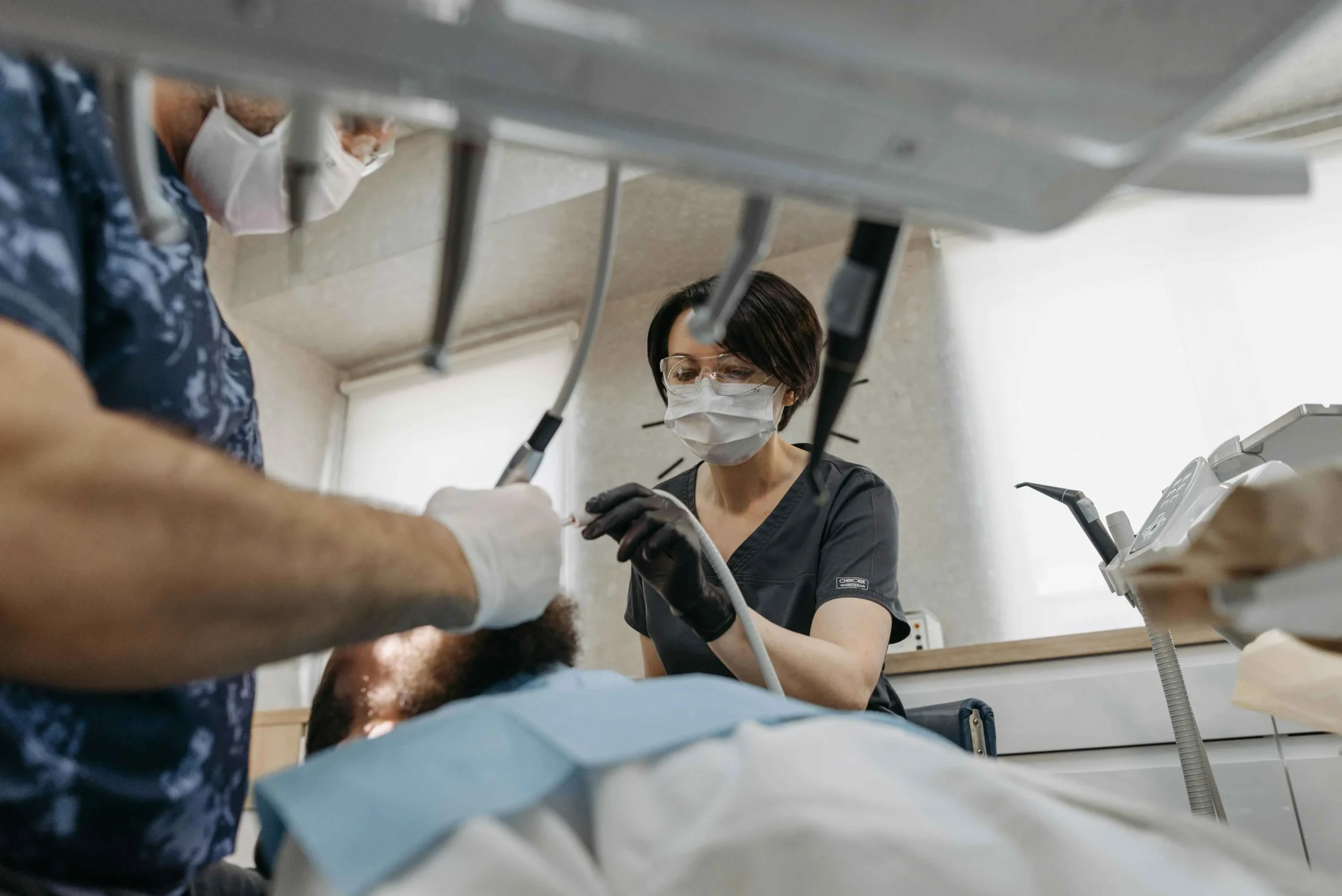

Losing a tooth changes more than your smile in the moment. Once a tooth comes out, the jawbone beneath it starts to shrink almost immediately. That shrinkage can affect how well future dental work fits and functions. If you are facing an extraction, understanding what happens to the bone underneath matters just as much as the procedure itself.
At A1 Dental, we look at every tooth extraction with your future smile in mind, not just the tooth that needs to come out. Dr. Mila Poznyak takes a comprehensive approach to care, which means thinking through what happens after the tooth is gone and how that decision affects your options down the road.
What Happens to Your Jawbone After a Tooth Is Removed?
A tooth root does more than anchor a tooth in place. It stimulates the surrounding bone every time you bite or chew, and that stimulation keeps the bone dense and healthy. Once the tooth is gone, that stimulation stops, and the bone begins to resorb, meaning your body starts breaking it down since it is no longer being used.
Research on this process is fairly striking. A systematic review published in the Journal of Oral and Maxillofacial Research found that alveolar bone loss can reach 11 to 22 percent of height and 29 to 63 percent of width within the first year after a tooth is extracted, with most of that loss occurring in the first three months. That is a significant amount of structural change happening quickly, often before a patient has even decided on next steps for replacing the tooth.
Why Bone Volume Matters for Your Future Options
Whether you are considering a dental implant, a bridge, or simply want your jaw to keep its natural shape, the amount of bone left behind after an extraction directly affects what is possible later. Thin or shrunken bone can complicate implant placement, sometimes requiring additional grafting procedures that add time and cost to treatment.
Bone loss can also affect the appearance of your face and gums over time. As the ridge of bone shrinks, the surrounding gum tissue can lose support, which sometimes leads to a sunken look near the extraction site. Preserving as much bone as possible from the start helps avoid these complications and keeps more options open for whatever you decide to do next.
How Piezo Surgery Helps Protect Bone During Extraction
One of the biggest factors in how much bone survives an extraction is the technique used to remove the tooth. Traditional extraction methods can put pressure on the surrounding bone and soft tissue, sometimes causing more trauma than necessary. We use piezosurgery for extractions, a minimally invasive technique that uses precise ultrasonic vibrations to separate the tooth from the socket without disturbing the surrounding bone structure the way conventional instruments can.
This approach allows for a gentler extraction with several benefits worth understanding:
- Less trauma to the bone and surrounding tissue during removal
- Reduced swelling and discomfort during recovery
- A cleaner socket that supports better healing
- A stronger foundation if you choose to move forward with an implant later
Because piezo surgery preserves more of the natural bone structure, it gives you more flexibility when it comes time to decide on tooth replacement. You are not starting from a compromised foundation, which can make a real difference in both the complexity and long-term success of future treatment.
Comprehensive Care Means Thinking Ahead
We believe dental care works best when it is sequenced thoughtfully rather than treated as a series of disconnected procedures. An extraction is not just about removing a problem tooth. It is a decision point that shapes what your mouth will look like and function like for years afterward. That is why we take the time to walk through what an extraction means for your bone health and your future options before, during, and after the procedure.
This philosophy extends to every stage of treatment, from the initial evaluation through healing and any restorative work that follows. Small decisions made at the time of extraction, like the technique used and whether bone preservation is prioritized, can save you from more complicated procedures later on.
Trust A1 Dental to Protect Your Smile for the Long Run
Choosing where to have a tooth removed is about more than the procedure itself. It is about who is thinking past the extraction to what comes next. At A1 Dental, Dr. Mila Poznyak brings advanced training in minimally invasive techniques, including piezo surgery for bone-preserving extractions and implant training completed in Arizona, so your treatment plan accounts for both the tooth you are losing and the smile you want to keep long after. We take a comprehensive approach to care, sequencing every step so your outcome is built to last rather than patched together.
Whether you need an extraction now or are weighing your options for replacing a tooth down the road, we want you to feel confident in the plan ahead. We also participate in most major PPO insurance plans and accept Medicare for covered dental services, so cost doesn’t have to stand in the way of protecting your bone health. Reach out through our contact form to schedule a consultation and see how we can help you extract with your future smile in mind.