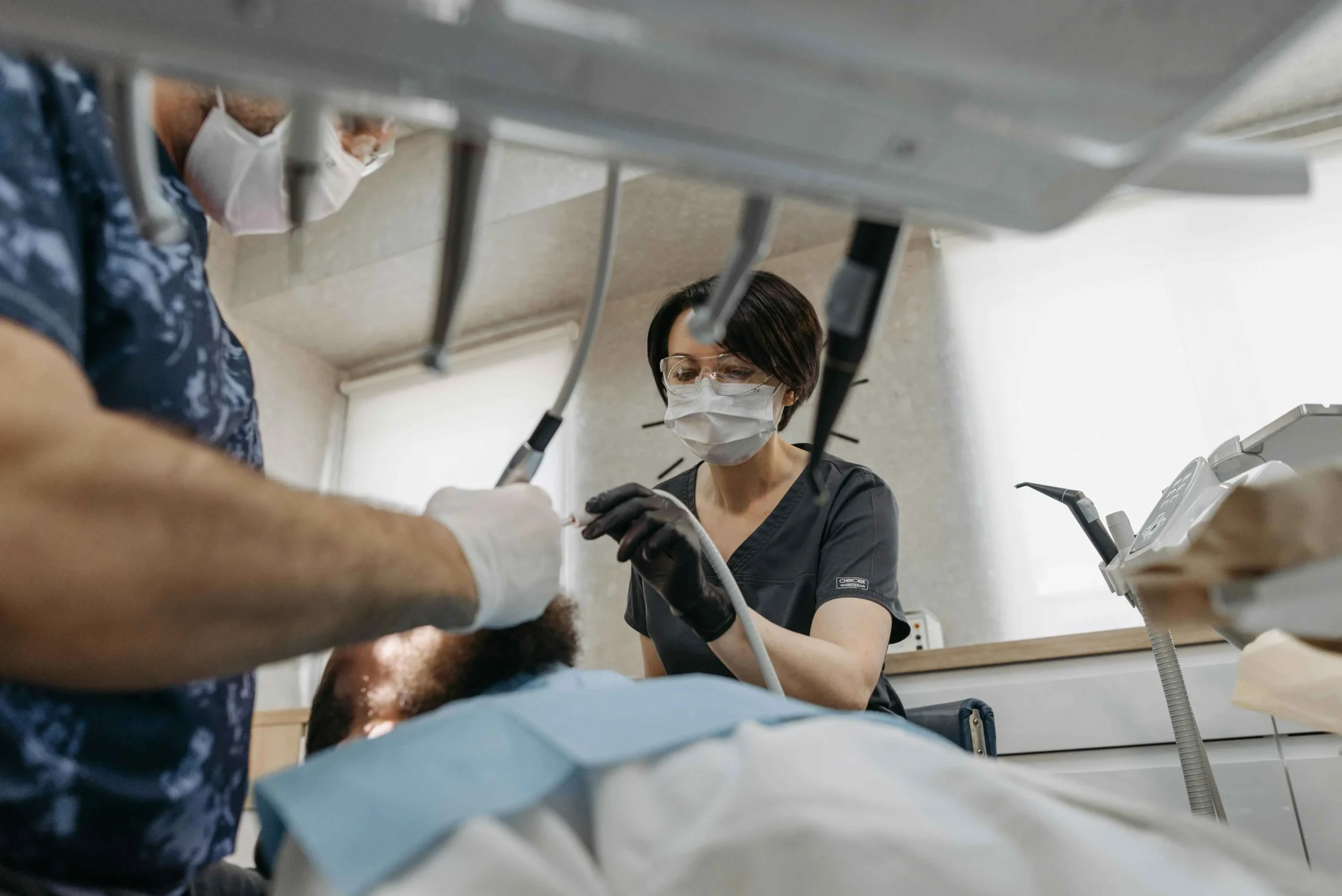

Most parents assume orthodontic treatment means waiting until their child’s adult teeth have mostly come in, then bracing for a long stretch of metal brackets in middle school. That assumption can cost a family real options, because some of the most effective windows for guiding a growing jaw close years before that point arrives.
At A1 Dental, we use a special LM activator, a functional appliance that works with your child’s natural growth rather than waiting to correct problems after the fact. This approach is not widely known even among dental practices, and when it fits your child’s situation, it can meaningfully reduce the severity of future orthodontic needs and, in some cases, help your child avoid more extensive orthodontic treatment altogether. Our family dentistry visits are where we first identify whether your child is a good candidate for this kind of early approach.
Why Earlier Can Matter More Than Parents Expect
The idea that orthodontic treatment should wait until a child is older comes from a time when braces were really the only tool available. A functional appliance like the LM activator works differently because it takes advantage of the fact that a young child’s jaw is still actively growing and can be gently guided rather than corrected after growth has already finished.
Catching a developing bite issue while your child still has a mix of baby and permanent teeth gives us more room to work with. A recent systematic review of pediatric orthodontic timing found that early functional appliance therapy can meaningfully improve jaw position, arch development, and even airway space in children with certain bite patterns, though researchers note that outcomes vary by case and appliance type, which is why the systematic review published through the National Center for Biotechnology Information emphasizes individualized treatment planning rather than a one-size-fits-all timeline.
What This Looks Like at A1 Dental
We do not present ourselves as orthodontists, and we are upfront about that. What we offer is early identification and, where appropriate, functional appliance therapy as a general dentist trained in this specific modality, along with referral coordination if your child’s case calls for more advanced orthodontic care down the line.
During a routine cleaning and exam, we are watching for the early signs that suggest an evaluation makes sense, including crowding, an uneven bite, or a jaw that seems to be developing asymmetrically. If your child shows any of these signs, we can walk you through whether the LM activator or a similar functional approach fits their situation, and what the next steps would look like.
Some signs are worth mentioning at any age, not just during a scheduled evaluation:
- Noticeable crowding as your child’s adult teeth begin coming in
- An uneven bite or a jaw that shifts visibly when your child closes their mouth
- Thumb or finger sucking that continues well past the toddler years
- Persistent mouth breathing, especially while your child sleeps
- Baby teeth that fall out much earlier or later than expected
Bringing up any of these signs at your child’s next visit gives us the chance to determine whether early intervention would genuinely help or whether watching and waiting is the better call for now.
Why We Approach It This Way
Our practice is built around comprehensive care, which means we think about how each decision affects your child’s mouth years down the road, not just what looks fine at the next visit. Starting orthodontic guidance earlier, when it is the right fit, is part of that same philosophy of sequencing treatment in the order that gives the best long-term result rather than reaching for the fastest fix.
Dr. Mila Poznyak built A1 Dental around treating every patient, including the youngest ones, with that same long-term thinking in mind, and our children’s dentistry appointments are designed to catch these details early rather than waiting for a problem to become obvious. If you would like to talk through whether an early evaluation makes sense for your child, you can contact our office or call us at 470-680-1030, and our team will help you find a time that works, including our Saturday hours for families juggling busy weekday schedules.