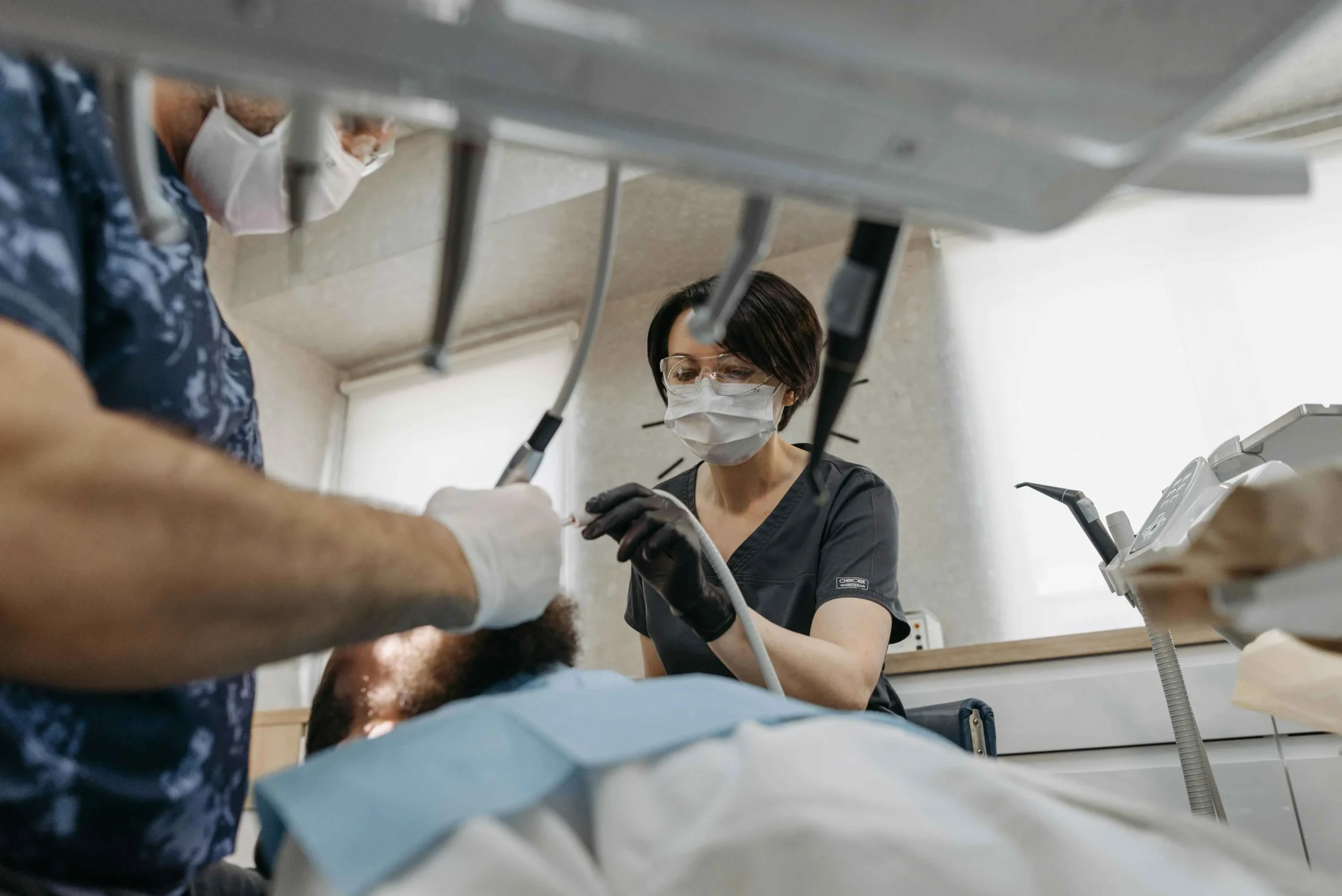

One missing tooth can quietly reshape your whole mouth. The bone underneath starts to shrink, neighboring teeth begin to drift, and everyday things like chewing or laughing without thinking twice become harder than they used to be. If you’ve been putting off a decision about a gap in your smile, understanding what actually happens during implant treatment can make the choice much easier.
We are A1 Dental, a general dentistry practice in Cumming, Georgia, and we treat dental implants as part of a bigger picture rather than a standalone fix. Before recommending an implant, we walk you through your full oral health picture so the outcome lasts, functions properly, and fits with any other work your mouth may need first.
How Dental Implants Work
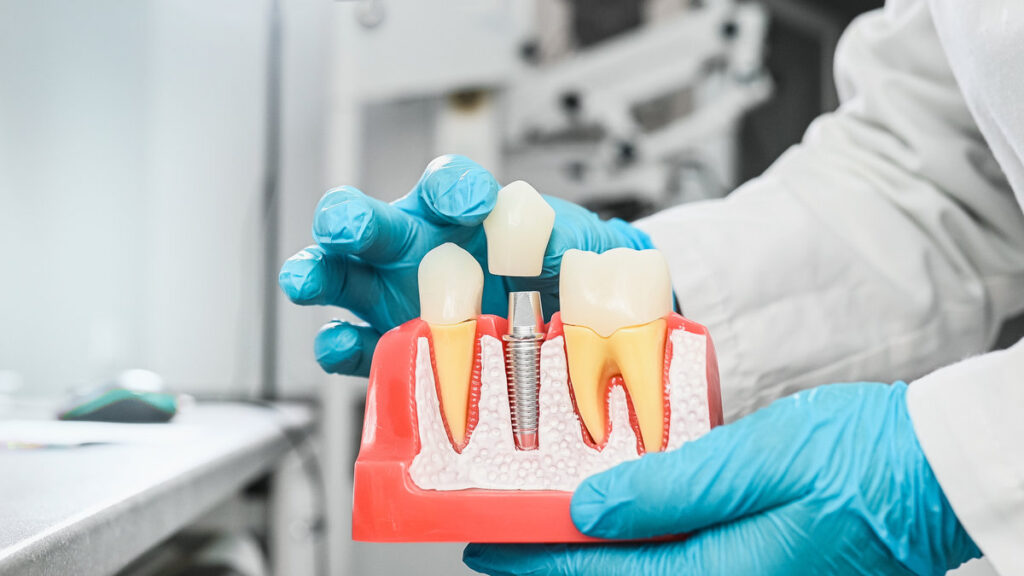
A dental implant replaces both the visible tooth and the root underneath it. A small titanium post is placed into the jawbone, where it fuses with the surrounding bone over several months in a process called osseointegration. Once healed, a custom crown attaches to the post, giving you a replacement tooth that looks, feels, and functions like your natural one.
This is different from a bridge or a removable partial denture, both of which sit on top of the gum or rely on neighboring teeth for support. Because an implant replaces the root, it also helps preserve the bone underneath, which can otherwise shrink once a tooth is gone. According to the National Institutes of Health, tooth loss remains a meaningful marker of oral health, and preserving remaining bone and teeth matters at every age. That is one of the biggest reasons we bring up implants early with patients who are missing a tooth rather than waiting until bone loss becomes a bigger problem.
Why Sequencing Matters Before Placement
Not every mouth is ready for an implant on day one, and jumping straight to placement without addressing other issues first can shorten how long the implant lasts. We take a comprehensive approach to sequencing, which means we review your gum health, bite alignment, and any other dental work that needs attention before moving forward with an implant.
If you have gum disease, we will need to control it first, since healthy gum tissue helps keep an implant stable long term. If your bite is misaligned or crowded, you may need clear aligner treatment before implant placement so the new tooth sits correctly with the rest of your teeth. Addressing these details in the right order is part of why we take a methodical approach to restorative work rather than moving straight to whichever procedure seems fastest.
What Happens If You Need An Extraction First?
Sometimes the tooth being replaced is still in your mouth, just too damaged to save. When that is the case, how the extraction is handled affects how well the implant site heals. We use
piezosurgery for extractions whenever appropriate, a technique that uses gentle ultrasonic vibrations instead of traditional force to remove the tooth.
This approach preserves more surrounding bone, giving the implant a stronger foundation to integrate with later. It also tends to be gentler on the surrounding gum tissue, supporting a smoother healing process before we move to the next phase. Preserving bone at the extraction stage can make a real difference in how predictable the rest of your implant treatment is.
What To Expect During Recovery
Healing time varies from patient to patient, but most people can expect the implant and bone to fuse in a few months before a permanent crown is placed. During this period, a few habits make a noticeable difference in how smoothly things go. These habits include the following:
- Diet: Stick to softer foods near the implant site for the first several days to avoid unnecessary pressure while healing begins
- Oral hygiene: Keep the area clean with gentle brushing and any rinse we recommend, since infection is one of the more preventable risks during healing
- Smoking: Avoid tobacco use during recovery, as it is one of the most well-documented factors that can interfere with proper healing
- Follow-up visits: Keep every scheduled check-in so we can monitor how the site is healing and catch any concerns early
Sticking to these habits gives your implant the best possible start, and most patients find the adjustment period more manageable than they expected.
Why Choose A1 Dental For Your Implant Treatment
Dr. Mila Poznyak completed dedicated implant training in Arizona and brings that training into a practice built specifically around comprehensive, sequenced care. Rather than treating an implant as an isolated procedure, we look at how it fits into your overall dental health, from bone preservation during extraction to the timing of any restorative work you may need first.
We also offer same-day appointments and Saturday hours for patients who need flexibility, and we accept most major PPO insurance plans along with financing options through Cherry to help make treatment more manageable. If a missing tooth has been on your mind, reach out through our contact form, and we will walk you through what your specific treatment plan could look like.