
Jaw pain that flares up when you chew, talk, or wake up can make even simple parts of your day harder than they should be. If a night guard has not brought the relief you hoped for, you may wonder whether that is really the only path forward.
At A1 Dental, we treat temporomandibular disorders as a condition that deserves more than one solution. We have pursued advanced TMD training through the Phelan Dental Seminars specifically because we saw how many patients were handed a single generic device and told that was the extent of their options. You deserve a plan built around your specific symptoms, not a one-size-fits-all appliance.
Why a Night Guard Alone May Not Be Enough
A night guard can help protect your teeth from grinding and may ease some pressure on the jaw joint while you sleep. For many people, though, TMJ pain does not stay confined to nighttime hours.
You might notice tension during a stressful workday, discomfort while chewing lunch, or a stiff jaw first thing in the morning that has nothing to do with what happened overnight. According to the National Institute of Dental and Craniofacial Research, evidence on how well night guards actually relieve TMD pain is limited, and any appliance you use should never be designed to permanently change your bite. A guard treats one piece of a larger puzzle. When the muscles, joint, and daily habits driving your pain are not addressed together, symptoms can keep resurfacing no matter how consistently you wear your appliance.
A Broader Approach to TMJ Pain
We look at TMD as a combination of muscle tension, joint mechanics, and habits that build up over time. That means your treatment plan may include more than just a guard, depending on what your exam reveals.
Therapeutic Botox for Jaw Tension
Therapeutic Botox can relax overactive jaw muscles that contribute to clenching and chronic tension. This option works well for patients whose pain centers more in the muscles than the joint itself, and it can reduce discomfort without requiring you to wear an appliance around the clock.
Targeted Jaw Exercises
Gentle stretching and strengthening exercises can improve jaw mobility and reduce strain on the muscles that control chewing. We can walk you through a routine tailored to your range of motion, so you are working on the specific movements that matter for your case.
Habit and Lifestyle Adjustments
Clenching, gum chewing, and poor posture can all add pressure to the jaw joint throughout the day. Small changes to these daily habits often make a noticeable difference alongside other treatments.
We may recommend one of these options on its own or combine a few, depending on where your pain originates and how your jaw responds during your exam. Because TMD can look different from one patient to the next, we do not believe in offering the same appliance to everyone who walks through the door.
Occlusal Equilibration
This precise dental procedure reshapes the biting surfaces of teeth to create an even, balanced bite.
What to Expect During a TMJ Evaluation
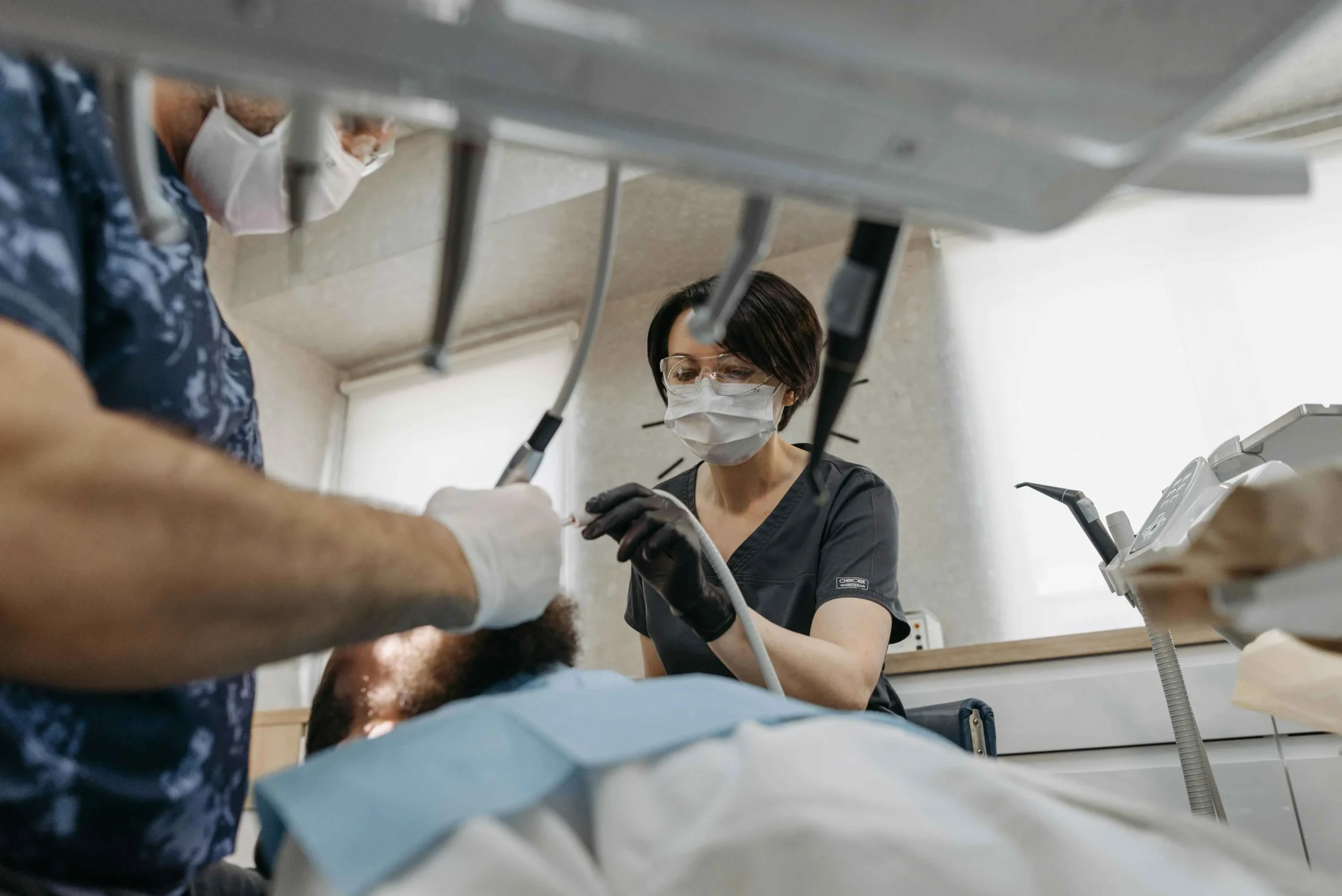
A thorough evaluation starts with understanding your specific symptoms, not jumping straight to a device. We will ask about when your pain occurs, what makes it better or worse, and whether you notice clicking, popping, or stiffness when you open and close your mouth.
From there, we examine your jaw joint and surrounding muscles to get a clearer picture of what’s driving your discomfort. This same comprehensive philosophy guides how we approach other areas of your care, where treating the underlying cause matters more than offering a quick fix. If you have already tried a standard night guard without success, that information helps us decide what to try next instead of repeating an approach that hasn’t worked for you.
Finding the Right Fit for Your Jaw Pain
TMJ pain can wear on you in ways that are easy for others to overlook, from headaches to difficulty enjoying meals with family. You do not have to accept ongoing discomfort as something you simply live with, and you do not have to settle for a single treatment option if it has not worked for you.
At A1 Dental, we take the time to understand what is really happening with your jaw before recommending a path forward, whether that means therapeutic Botox, targeted exercises, an updated appliance, or a combination built around your needs. We use advanced diagnostic approaches to understand what is contributing to your symptoms so we can recommend care that actually fits your situation. If jaw pain has been holding you back, reach out to our team to schedule an evaluation and find an approach that goes beyond the standard night guard.